Introduction
Living off the grid and becoming a survivalist is a lifestyle choice that has gained popularity in recent years. With the increasing uncertainty of our modern The original source world, many people are seeking ways to become more self-reliant and prepared for any situation. In this article, we will dive deep into the survivalist life, exploring lessons we can learn from nature and how they can help us thrive in challenging environments.
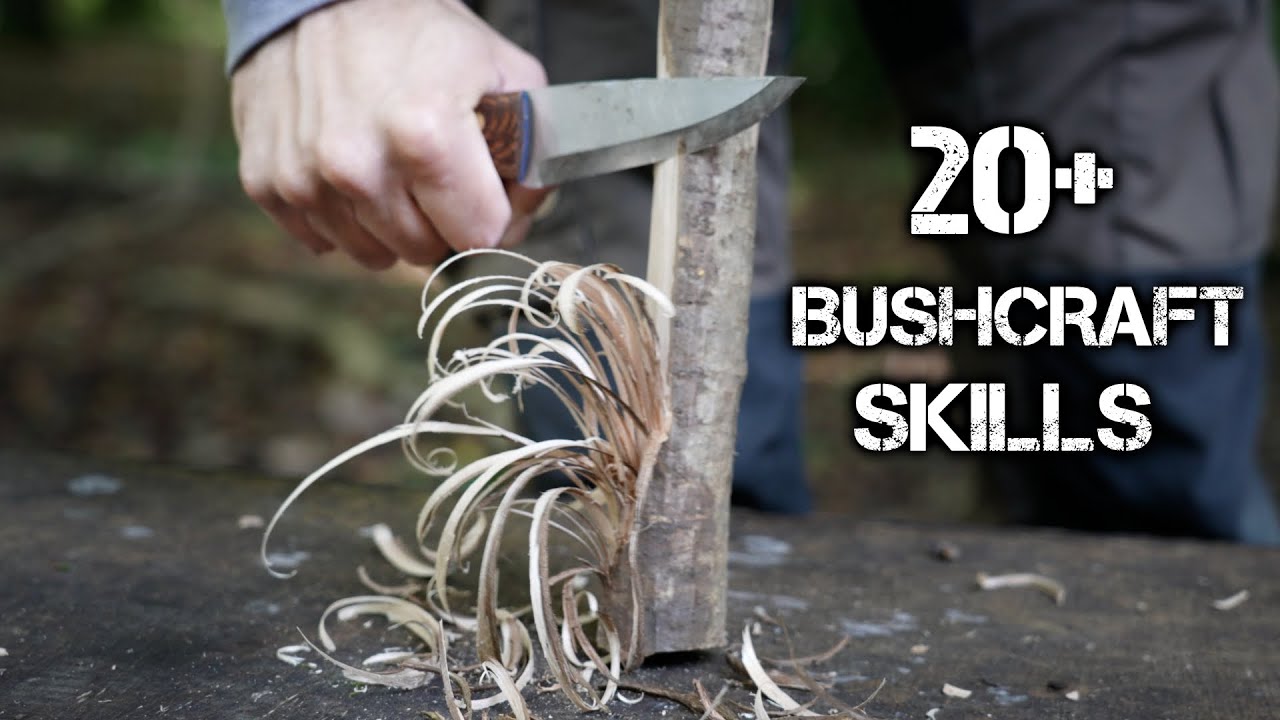
The Appeal of the Survivalist Lifestyle
The survivalist lifestyle has a certain allure that draws people in. It offers freedom from the constraints of modern society and empowers individuals to take control of their own lives. By living off the grid, survivalists are able to disconnect from the hustle and bustle of city life and embrace a simpler, more self-sufficient way of living.

Embracing Nature's Teachings: Lessons from Animals
Nature has countless lessons to teach us about survival and adaptability. Animals have honed their skills over millions of years, developing strategies that help them thrive in their respective environments. By observing and understanding these lessons, we can apply them to our own lives and increase our chances of success in any situation.
The Wisdom of Ants: Cooperation is Key
Ants are known for their remarkable teamwork and cooperation. They work together to build intricate colonies, gather food, and protect their queen. Just like ants, survivalists understand the importance of cooperation when faced with adversity. By working together with like-minded individuals, they can accomplish tasks more efficiently and ensure the well-being of everyone involved.
The Resilience of Trees: Weathering Life's Storms
Trees stand tall and endure all kinds of weather conditions throughout their lifetimes. They teach us Find more info about resilience and the ability to weather life's storms. In the face of challenges, survivalists draw inspiration from trees, learning to adapt and persevere. They understand that setbacks are temporary and use them as opportunities for growth.

Harnessing Nature's Resources: Survival Skills
Survivalists rely on their ability to utilize the resources provided by nature to meet their basic needs. From finding food and water to building shelter, these skills are essential for thriving in the wilderness. By learning from nature's abundance, survivalists become self-sufficient and reduce their dependence on external sources.
Foraging for Food: Connecting with the Land
Foraging for food is a skill that survivalists develop through careful observation and practice. They learn to identify edible plants, mushrooms, and berries, ensuring a sustainable source of nutrition in the wild. By connecting with the land in this way, survivalists deepen their understanding of nature's offerings and foster a sense of gratitude for its abundance.
Shelter Building: Creating a Safe Haven
Building a shelter is a crucial survival skill that provides protection from the elements and predators. Survivalists learn to construct sturdy shelters using natural materials found in their surroundings. By honing this skill, they ensure their safety and comfort while living off the grid.
The Mental Aspect: Developing Resilience
Surviving in challenging environments requires more than just physical skills. The mental aspect plays a crucial role in determining one's ability to thrive in adverse conditions. Survivalists understand the importance of developing resilience and maintaining a positive mindset even in the face of uncertainty.
Embracing Uncertainty: Thriving in Change
Living off Click for source the grid requires embracing uncertainty and adapting to ever-changing circumstances. Survivalists excel at navigating through unknown territory, making quick decisions, and finding innovative solutions to problems. By embracing change rather than fearing it, they develop the mental fortitude needed to thrive Discover more in any situation.
Mindfulness: Finding Peace Amidst Chaos
In the midst of chaos, survivalists find solace in mindfulness practices. They take time to connect with nature, observe their surroundings, and find beauty in the smallest of details. This mindfulness helps them stay grounded and present, even during the most challenging times.
FAQs About the Survivalist Lifestyle
What does it mean to live off the grid? Living off the grid means disconnecting from traditional power sources, such as electricity and water supply. It involves generating your own energy, sourcing your own water, and becoming self-sufficient in meeting your basic needs.
Is the survivalist lifestyle for everyone? The survivalist lifestyle is not for everyone. It requires a certain level of physical and mental resilience, as well as a willingness to embrace a simpler way of living. However, anyone can learn basic survival skills and incorporate elements of self-reliance into their lives.
How can I start living off the grid? Starting to live off the grid requires careful planning and preparation. Begin by assessing your basic needs and identifying areas where you can become more self-sufficient. Research and learn essential survival skills, such as foraging for food and building shelter. Gradually reduce your reliance on external resources and embrace a more sustainable way of living.
Is it possible to be a survivalist while still living in a city? While it may be challenging to fully embrace the survivalist lifestyle in a city, there are still ways to incorporate elements of self-reliance into urban living. Start by growing your own food in small spaces, learning basic first aid skills, and developing a network of like-minded individuals who can support each other in times of need.
What are some common misconceptions about survivalists? One common misconception about survivalists is that they are preparing for an apocalyptic event or doomsday scenario. While some individuals may have this mindset, most survivalists simply want to be prepared for any situation that may arise in their lives.
Can I become a survivalist without wilderness experience? Yes, it is possible to become a survivalist without prior wilderness experience. Start by learning basic survival skills through books, online resources, or attending workshops. Practice these skills in controlled environments, such as camping trips or backyard adventures. Gradually increase your confidence and knowledge as you gain more experience.
Conclusion
Exploring the survivalist lifestyle offers valuable lessons that can enhance our resilience and self-reliance. By observing nature's teachings and harnessing its resources, we can develop the skills needed to thrive in challenging environments. Whether living off the grid or incorporating elements of self-sufficiency into our daily lives, embracing the survivalist mindset empowers us to take control of our own destinies and navigate uncertain times with confidence. So why Go here not embark on this journey and discover the lessons that nature has to offer?